
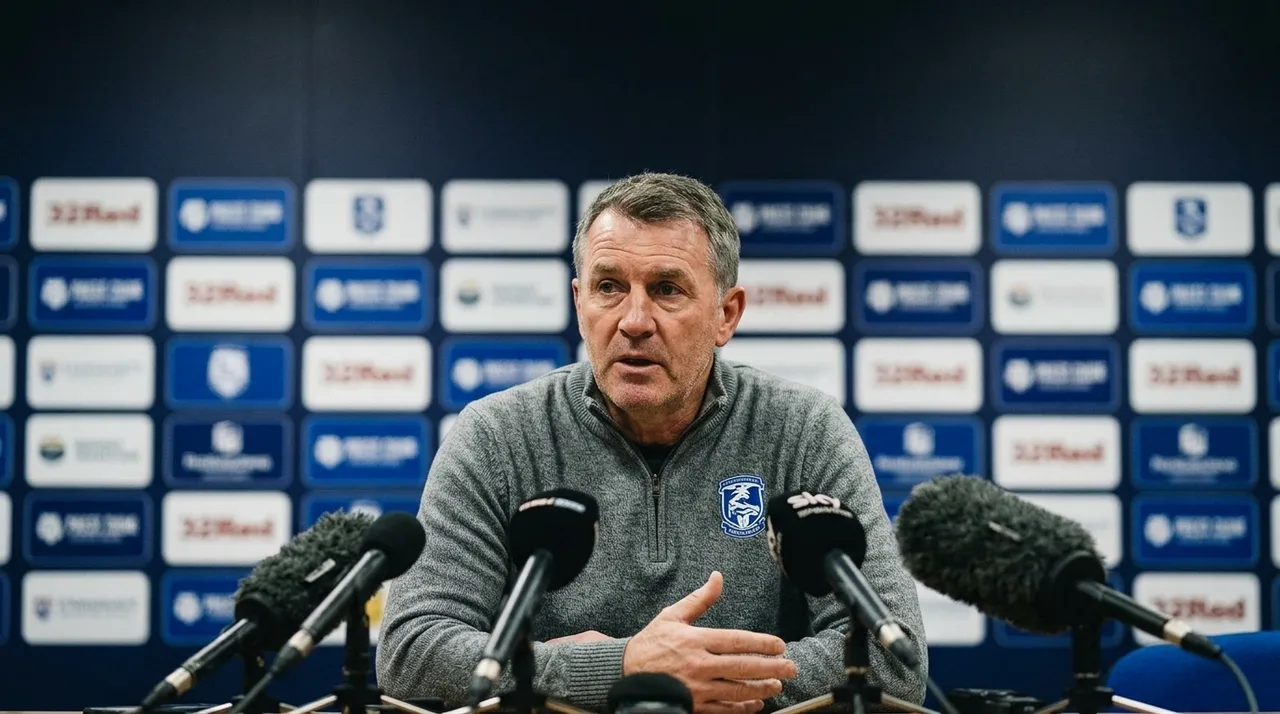
Reading's chief executive Brian Jacobson has revealed that the League One club stand to receive welcome financial windfalls from sell-on clauses attached to former players Mohamed Azeez and Jack Wareham, according to a BBC Radio Berkshire interview broadcast on 4 September 2026.
Sell-on clauses paying dividends
Jacobson confirmed that Reading had negotiated sell-on provisions when the two players departed the club, and that subsequent moves involving both Azeez and Wareham have triggered those clauses. The chief executive did not disclose the precise figures involved in either payment, but the existence of such windfalls points to a degree of forward planning in Reading's transfer strategy that could prove valuable for a third-tier club managing its resources carefully.
Sell-on clauses are a mechanism by which a selling club retains a percentage of any future profit or fee when the buying club moves the player on again. For a club at Reading's level, such payments can represent a meaningful injection of funds outside of the normal transfer window cycle, and Jacobson's willingness to discuss them publicly suggests the sums are considered significant by the board.
Context: Reading's busy summer
The timing of the interview is notable. Reading have been active in the transfer market this summer, bringing in striker Jamie Reid from Stevenage, midfielder Connor Masterson on a short-term deal, and defender Knight on a season-long loan from Portsmouth. Any additional income from sell-on fees could, in theory, provide further flexibility as the window progressed or offer a financial cushion heading into the season proper.
The club also had cause for concern following an injury to goalkeeper Stokes during a 3-0 win, an added reminder that squad depth comes at a cost. Windfall income of the kind Jacobson described is precisely the sort of revenue stream that allows third-tier clubs to absorb unexpected expenses without derailing their broader plans.
Jacobson's transfer philosophy
The chief executive is understood to have spoken more broadly about Reading's approach to transfers during the BBC Sounds interview, touching on how the club structures outgoing deals to protect long-term value. Including sell-on provisions when releasing or selling academy products and homegrown players is a widely used practice, but it requires diligent contract work and a degree of confidence that the departing player will continue to develop.
That both Azeez and Wareham appear to have done exactly that reflects well on Reading's recruitment and development pipeline, even if the club no longer has either player on their books. The ability to profit from departures, rather than simply absorbing a loss, is a marker of a well-run football operation at this level.
What it means for Reading
Reading currently sit in League One following their drop from the second tier, and the financial realities of the third tier make every revenue stream count. Sell-on income is unbudgeted by nature, which means it tends to arrive as a bonus rather than a planned resource. How the club chooses to deploy the Azeez and Wareham windfalls, whether reinvested in the squad, used to service existing costs, or retained as a buffer, has not been confirmed.
Jacobson's comments are, nonetheless, a rare piece of positive financial news for a fanbase that has endured considerable uncertainty in recent years. The message from the chief executive appears to be that the club is managing its affairs with enough foresight to turn past exits into present-day gains.
Frequently asked
- Who are Azeez and Wareham in relation to Reading FC?
- Mohamed Azeez and Jack Wareham are former Reading players. The club negotiated sell-on clauses when they left, meaning Reading receive a percentage of any future fee when those players are transferred on by their subsequent clubs.
- What is a sell-on clause in football?
- A sell-on clause is a contractual provision that entitles the original selling club to a percentage of the profit or fee received when the buying club later sells the player on to another team. It is a common way for lower-league clubs to protect long-term value when letting players go.
- How will the sell-on windfall money help Reading FC?
- Reading chief executive Brian Jacobson confirmed the windfalls in a BBC Radio Berkshire interview, though exact figures were not disclosed. Any unbudgeted income of this kind provides the League One club with extra financial flexibility, potentially supporting squad investment or covering unexpected costs during the season.