
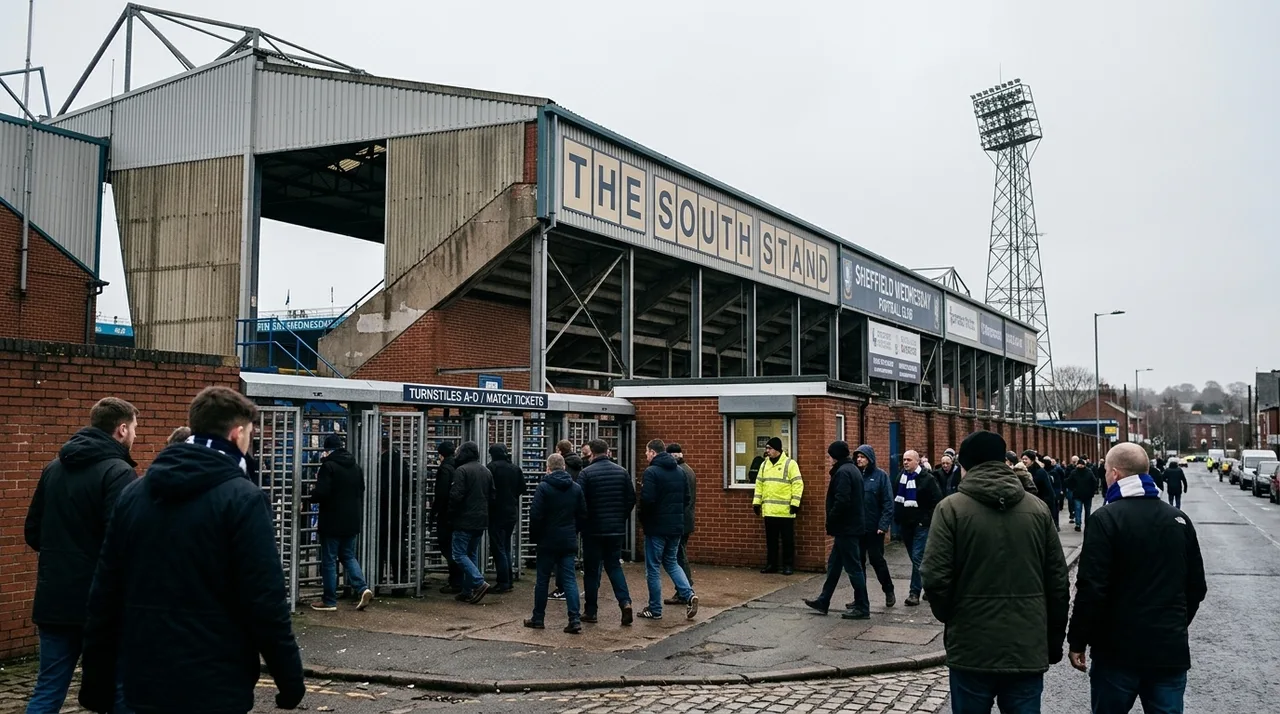
Sheffield Wednesday came within touching distance of becoming the first club to face the full force of the new Independent Football Regulator. That they did not is down to timing, not conduct — and the episode reveals exactly how the IFR operates when a League One club's finances reach crisis point.
How Wednesday almost made history
The IFR had the Owls firmly in its sights when then-chairman Dejphon Chansiri stopped funding the club. The regulator, created under the Football Governance Act, holds powers to assess the honesty, integrity and financial soundness of those who control a club. Wednesday looked like the test case that would define what those powers actually mean in practice.
Administration intervened first. Once the club entered that process, Chansiri's reign effectively ended before the IFR could bring formal proceedings. The regulator's window closed, and Wednesday moved on to new ownership through a different route altogether.
The Owls are now under fresh leadership and preparing for life in League One, having been relegated. The chaos of the Chansiri era is behind them, but the questions it raised about regulatory reach did not disappear — they simply shifted across the city to Bramall Lane.
What the IFR's powers actually cover
The Football Governance Act prohibits anyone from becoming an owner or director of a football club unless an application has been made and the IFR has determined they are suitable. That is the rule that now sits at the heart of the situation at Sheffield United, according to a BBC Sport report.
For Wednesday, the lesson is instructive. Had administration not landed when it did, the Owls could have faced IFR scrutiny of the ownership structure under Chansiri. The regulator's powers are real, and the Wednesday situation confirmed they were ready to be used — even if the opportunity passed before action was taken.
New owners at Hillsborough will be aware of that context. Any future change of ownership structure, or addition of a director to the board, now requires advance notice to both the IFR and the EFL. That rule applies to every club in the Football League pyramid, League One included.
A different landscape for the Owls now
Wednesday enter the League One season with their off-pitch problems at least temporarily resolved. New ownership is in place, the club survived administration, and the managerial picture has been addressed with the appointment of a new head coach. The focus, belatedly, can return to the pitch.
The broader regulatory picture is still evolving. The IFR is a young institution, and the Wednesday situation was always going to be near the front of that learning curve. That the Owls avoided becoming the regulator's first formal case is, at least partly, fortunate. Administration is not a comfortable resolution for any club's supporters — but it did draw a line under a prolonged period of instability.
For League One supporters of Wednesday and every other club in the third tier, the IFR's existence matters. The regulator's stated purpose is to protect clubs from the kind of ownership failure that left Hillsborough paralysed for months. Whether it can deliver on that purpose is a question the wider football world is now watching very carefully.
Wednesday's brush with the IFR may have ended without a formal verdict. But it set a precedent: the regulator was ready to act, and clubs across the pyramid now know it.
Frequently asked
- Why did Sheffield Wednesday nearly face the Independent Football Regulator?
- The IFR was preparing to scrutinise Wednesday's ownership after chairman Dejphon Chansiri stopped funding the club. The club entered administration before the regulator could take formal action, which ended Chansiri's reign instead.
- What division are Sheffield Wednesday in now?
- Sheffield Wednesday are in League One, the third tier of English football, following their relegation. They are under new ownership after exiting administration.
- What powers does the IFR have over League One clubs?
- The Independent Football Regulator can assess the honesty, integrity and financial soundness of anyone seeking to become an owner or director of a football club. Clubs and prospective owners must apply for approval before any ownership change takes effect.