
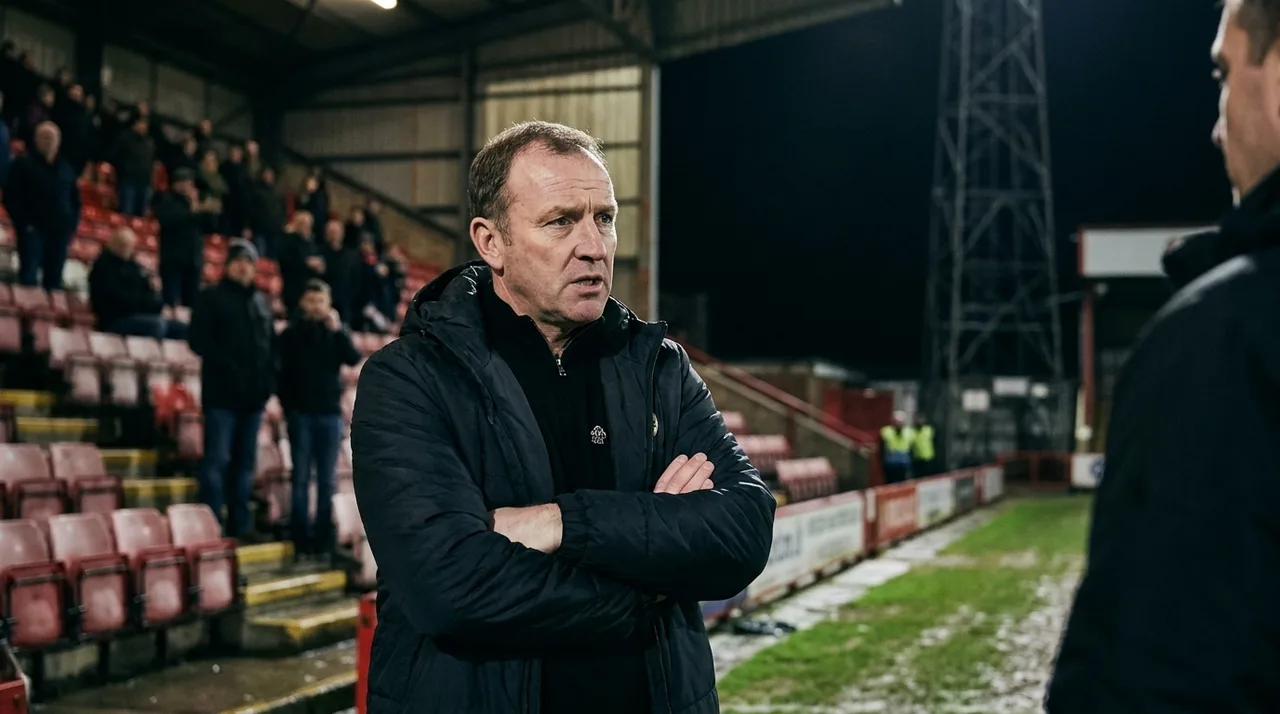
Leyton Orient head coach Richard Wellens did not hide behind excuses after his side fell to a home defeat against Barnsley on Saturday, but he made one thing plain: the injury list is no longer something the club can work around.
"Look at our injury list," Wellens told BBC London's Dave Victor after the final whistle at the Brisbane Road. "We can't carry that."
It is the kind of statement that tends to come with a health warning in football management. Citing absences can read as deflection, a way of softening accountability before the post-match press conference even gets going. But at Orient right now, the numbers do appear to back up the frustration rather than excuse it.
A home defeat that stings
Barnsley arrived at Brisbane Road in decent form, and departed with three points to show for it. For Orient, this was a loss on home turf in front of their own supporters, which always lands harder than one on the road. The third tier is unforgiving in that respect: dropped points at home accumulate quickly in a division where the margins between mid-table comfort and genuine concern are rarely large.
The O's had reason to feel they could compete with Barnsley at this stage of the season. The Tykes, under their own management, have been a structured, well-drilled side, and Cameron McGeehan had already been on record talking up the quality of Barnsley's display after the same fixture. That Barnsley came and imposed themselves at Brisbane Road will do little to ease the mood around Orient.
Injuries piling up at the wrong time
What makes Wellens' comments carry weight is the context. Orient have seen their squad stretched across the early weeks of the campaign, and the head coach's public comments suggest the medical room is not emptying any time soon. In a division where squad depth is tested ruthlessly by a congested fixture calendar, having to field combinations that are not your first, second or even third choice is a significant handicap.
The tension between what a manager wants to put out and what is actually available is one of the realities of League One football. Unlike clubs in the second tier, the budget to simply sign your way out of an injury crisis rarely exists. Wellens knows that, and the edge in his post-match remarks reflected it.
Orient supporters will be asking whether this is a temporary setback or something that threatens to derail what had been reasonable early-season expectations. Brisbane Road has genuine atmosphere when things are going well, and the backing from the stands remains a genuine asset. The question is how long the squad can ask supporters to be patient while the treatment table stays full.
What comes next for Orient
Wellens' immediate task is straightforward to describe and difficult to execute: find enough fit, functional players to keep results turning in the right direction until the injury picture improves. Whether that means dipping into the free-agent market, extending loans already in place, or simply trusting younger members of the squad to step up remains to be seen.
What the Barnsley defeat has confirmed is that Orient cannot rely on the same personnel week after week and expect a different result. Wellens appears clear-eyed about that. The hope, for everyone connected to the club, is that the injury situation clears before the damage becomes more than cosmetic in the League One table.
Frequently asked
- Why did Leyton Orient lose to Barnsley?
- Orient manager Richard Wellens pointed to a mounting injury list as a key factor, saying the squad cannot cope with the number of players currently unavailable.
- What did Richard Wellens say after the Barnsley defeat?
- Speaking to BBC London after the home loss, Wellens was blunt: "Look at our injury list, we can't carry that," signalling that the depth of his squad is causing serious concern.
- How are Leyton Orient doing in League One?
- The home defeat to Barnsley has added pressure on Orient, whose early-season results have been complicated by a growing number of injured players unavailable for selection.