
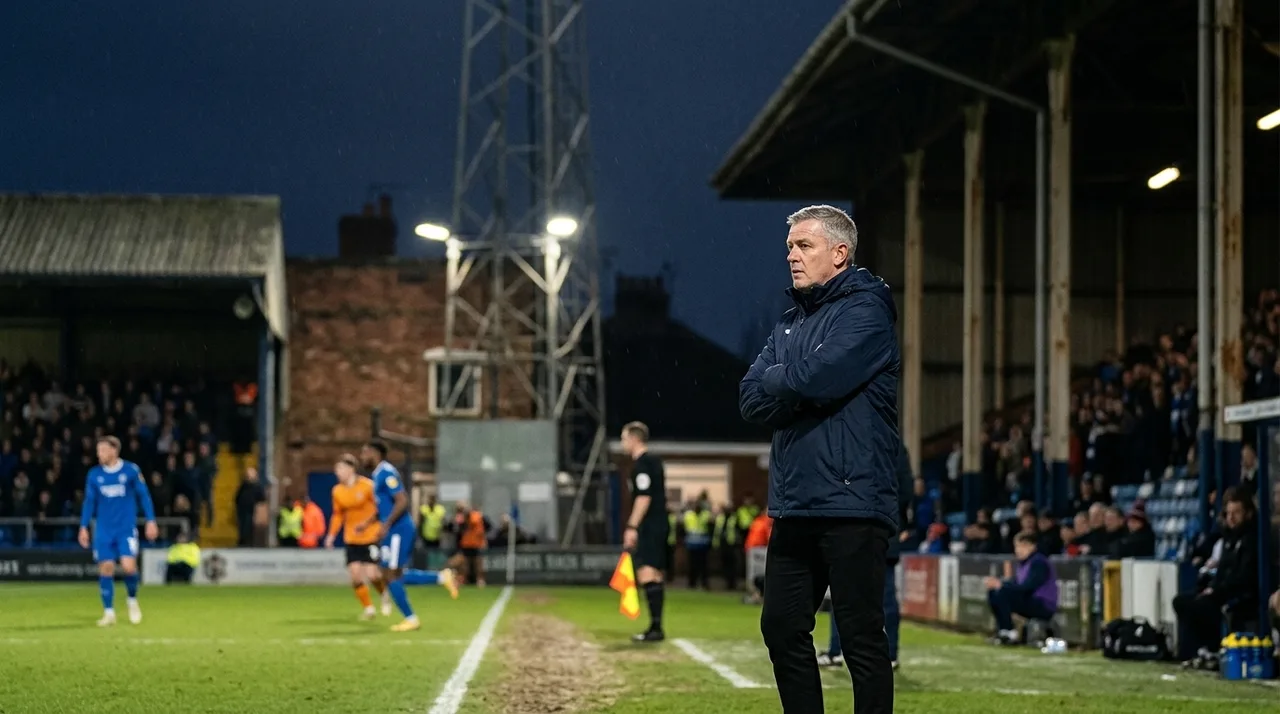
Luton Town's recent form has prompted plenty of discussion among supporters, and one of the most talked-about developments is a tactical shift that manager Jack Wilshere has made: the move away from a back four and towards a back three. It is the kind of structural change that can take weeks to bed in, and understanding what it is designed to fix tells you a great deal about how Wilshere wants this squad to play.
What is a back three, and why make the change?
A back three (sometimes called a 3-4-3 or 3-5-2 depending on how the midfield is shaped) means three central defenders sit in a flat line across the back, with wing-backs pushing high up the pitch to provide width. Compared to a traditional back four, it gives the centre-backs more cover for one another and can make it harder for opposition forwards to exploit the space in behind. The trade-off is that the wing-backs must be fit enough and disciplined enough to do a full-pitch job at both ends.
For Luton, the switch appears to be a response to specific problems that emerged in a demanding early run of fixtures. The 5-2 defeat at Mansfield was a particularly painful illustration of how exposed the side could be when stretched, and Wilshere has spoken publicly about wanting a shape that offers more defensive solidity without sacrificing the attacking intent that a team with Luton's resources should carry.
How does it affect the squad's shape?
The personnel Wilshere has assembled gives the back-three some logic. Three loan signings have arrived in midfield, offering extra bodies in the central areas that a three-man defence requires to function properly. When midfield screens are active and the wing-backs track back efficiently, a back three is notoriously difficult to play through directly. The question for Luton is whether the squad has the right profiles in those wide defensive roles.
Width in a back-three system comes from the wing-backs rather than wide midfielders or wide forwards. That means the players chosen for those positions need to provide crossing deliveries and defensive cover in roughly equal measure. Luton have the attacking quality higher up the pitch, but the wing-back positions are where the new shape will be won or lost over the coming weeks.
What do the recent results tell us?
The picture is mixed, which is exactly what you would expect from a side mid-transition. A 2-0 defeat to Stockport County showed the system is not yet watertight, though Stockport were themselves a well-organised side on that occasion. The 1-1 draw at home to Notts County, salvaged late on, suggested Luton can grind out points even when not at their best, a quality that matters enormously over a 46-game League One season.
Context matters here. A tactical change of this kind rarely produces an immediate return. Defenders need to learn their zones, wing-backs need to understand their triggers for pushing forward, and midfielders need to know when to drop in and when to press. Give Wilshere four or five more matches and the shape's strengths and weaknesses will be far clearer.
The bigger picture for Luton
Luton arrive in League One carrying expectations that most clubs in the division simply do not face. Kenilworth Road, their budget, and their recent history mean the pressure to challenge for promotion is ever-present. A back three, managed well, can be the foundation of a promotion campaign: it tends to cut out the conceding of soft goals and gives a team a platform to build from. Whether this particular group of players can make it click is the central question of Luton's season so far.
Wilshere's willingness to change the system early in the campaign rather than persist with something that was not working is encouraging. The challenge now is to give the new shape enough time to prove itself before making further adjustments.
Frequently asked
- Why have Luton changed to a back three this season?
- Jack Wilshere switched to a back three to give the defence more cover and reduce the side's vulnerability to attacks in behind, following some difficult results in the early part of the League One season.
- How does a back three affect the way Luton play?
- In a back-three system, Luton rely on wing-backs for width rather than wide midfielders, meaning those players must contribute defensively as well as in attack. The shape also puts more emphasis on a disciplined midfield screen in front of the defenders.
- Are Luton's recent results improving under the new formation?
- Results have been mixed since the change, with a 2-0 loss to Stockport and a late 1-1 draw against Notts County. Tactical shifts of this kind typically take several weeks to fully bed in, so judgement is best reserved for a larger sample of matches.